What? Tea? I know you are thinking that someone told you that you need medication. Well not necessarily. The hormonal changes during perimenopause and menopause can be balanced with medication; however, not everyone should use hormones. Teas can be a beneficial and more affordable choice if you’re looking for more natural cures.
Tea can help alleviate the effects of these changes even when your levels of estrogen, progesterone, and testosterone decrease throughout menopause.
For each serving, follow the directions on the package, or according to Healthline, use about 1 teaspoon of tea per 1 cup of boiling water.
Let’s spill the tea and uncover natural ways to feel better.

Which Teas Help Relieve Menopause Symptoms?
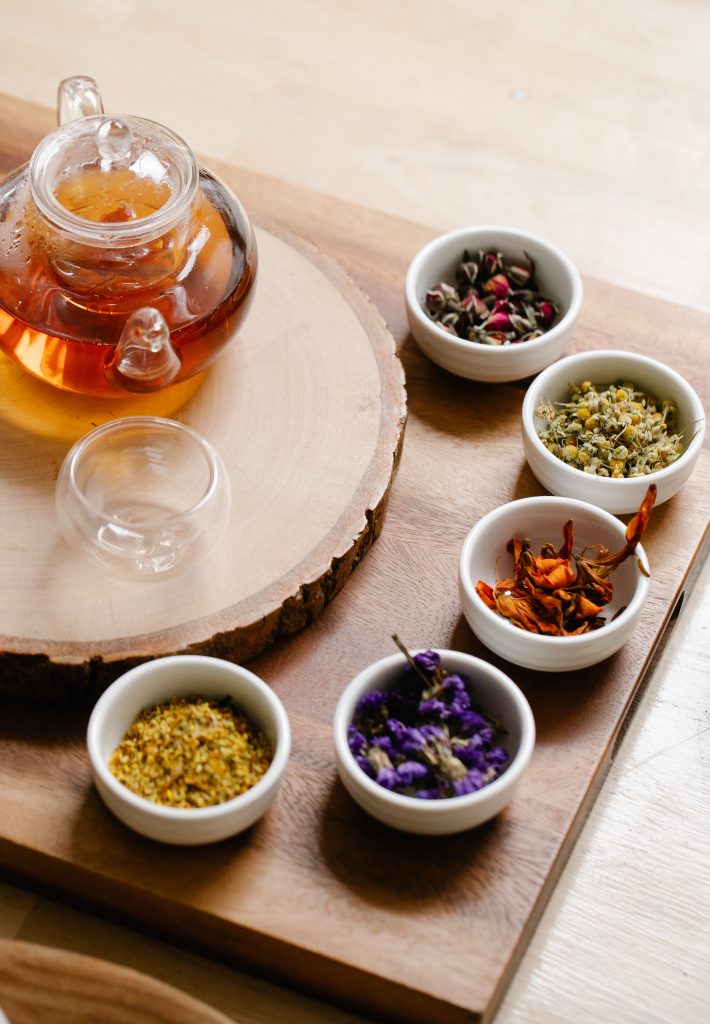
Here are the top 10 teas that can help naturally alleviate menopausal and perimenopausal symptoms. Each tea has its Spanish name as well for those who are in countries where the products are sold in Spanish.
- Black Cohosh Tea – Té de Cohosh Negro
- Red Clover Tea – Té de Trébol Rojo
- Dong Quai Tea – Té de Dong Quai
- Sage Tea – Té de Salvia
- Chamomile Tea – Té de Manzanilla
- Peppermint Tea – Té de Menta/Poleo
- Ginseng Tea – Té de Ginseng
- Licorice Root Tea – Té de Raíz de Regaliz
- Raspberry Leaf Tea – Té de Hojas de Frambuesa
- St. John’s Wort Tea – Té de Hipérico
How does each of these teas help with menopause symptoms?
1. Black Cohosh Tea:
Black cohosh is known for its potential to alleviate hot flashes, mood swings, and night sweats associated with menopause. Drinking black cohosh tea may help regulate hormone levels and reduce these symptoms.
2. Red Clover Tea:
Red clover contains isoflavones, which are plant compounds with estrogenic properties. Isoflavones in red clover tea may help mitigate hot flashes, promote hormonal balance, and improve bone health during menopause.
3. Dong Quai Tea:
Dong Quai root tea has traditionally been used in Chinese medicine to alleviate menopausal symptoms. It may help reduce hot flashes, promote hormonal balance, relieve menstrual irregularities, and support overall well-being.
4. Sage Tea:
Sage tea has been found to have potential benefits for menopausal symptoms, including hot flashes and night sweats. Its compounds may help regulate body temperature and reduce excessive sweating.
5. Chamomile Tea:
While not directly targeting menopausal symptoms, chamomile tea is known for its calming properties. It may help alleviate anxiety, promote sleep, and provide overall relaxation during this transitional phase. Both the chamomile flowers and the chamomile tea bags are effective.
6. Peppermint Tea:
Peppermint tea helps relieve menopause-related discomforts, such as hot flashes and night sweats. Its cooling properties could provide a soothing effect and help relieve constipation.
7. Ginseng Tea:
Ginseng has been traditionally used to address menopausal symptoms. It may help reduce hot flashes, improve sleep quality, enhance mood, and boost overall energy and vitality.
8. Licorice Root Tea:
Licorice root contains compounds that may mimic the properties of estrogen, potentially providing relief from menopausal symptoms such as hot flashes and mood swings.
9. Raspberry Leaf Tea:
Raspberry leaf tea is often used to support reproductive health in women, including during menopause. It could help tone the uterus, regulate menstrual cycles, and alleviate symptoms such as cramping and mood swings.
10. St. John’s Wort Tea:
St. John’s wort is commonly used as a natural antidepressant. It is known to help improve mood, promote a positive outlook, and alleviate mild depression associated with menopause.
Please note that the effectiveness of these teas may vary from person to person, and it is always best to consult with a healthcare professional or herbalist before adding any new remedies to your routine. They can provide personalized advice based on your specific needs and health conditions.
The potential Pros and Cons of drinking each of these teas:
1. Black Cohosh Tea:
- Pros – It may help relieve hot flashes and mood swings.
- Cons – Some studies suggest potential liver toxicity, but more research is needed.
2. Red Clover Tea:
- Pros – Contains isoflavones that mimic estrogen, helping alleviate menopause symptoms for some individuals.
- Cons – May interact with certain medications.
3. Dong Quai Tea:
- Pros – Traditional Chinese herbs might help with hot flashes.
- Cons – Can interact with certain medications and may increase sun sensitivity.
4. Sage Tea:
- Pros – Some studies suggest sage tea may help reduce hot flashes.
- Cons – Excessive intake should be avoided and may interact with certain medications.
5. Chamomile Tea:
- Pros – Known for its calming properties, which may help with sleep disturbances and anxiety during menopause.
- Cons – Potential allergic reactions for some individuals.
6. Peppermint Tea:
- Pros – It may help with digestion and alleviate irritability associated with menopause. It is naturally caffeine free and can be enjoyed either hot or cold for iced tea.
- Cons – Avoid excessive intake if you have acid reflux or a hiatal hernia.
7. Ginseng Tea:
- Pros – Some evidence suggests ginseng may help with mood swings and overall well-being.
- Cons – It may interact with certain medications and can cause insomnia.
8. Licorice Root Tea:
- Pros – Has been known to provide relief from hot flashes and help balance hormone levels.
- Cons – Excessive intake can cause high blood pressure and interact with certain medications. This tea is not for women who are pregnant or with liver disorders, edema, hypertension, low blood potassium, severe kidney insufficiency, heart disease with edema, or congestive heart failure.
9. Raspberry Leaf Tea:
- Pros – Contains nutrients and might help regulate menstrual cycles.
- Cons – Limited research on its effects specifically for menopause symptoms.
10. St. John’s Wort Tea:
- Pros – It may help with mood swings and mild depression.
- Cons – Can interact with various medications, including hormone replacement therapy.
Remember, these are general points, and individual experiences may vary. However, try these teas before considering medication. In the long run, your body cannot continue to digest medicine without being diagnosed with a new medical issue, so it is best to stay natural and allow your body to work for you. If you are already taking medication for other medical issues then it is wise to consult with your healthcare professional to ensure these herbal teas are exactly what you need to add to your routine.









+ There are no comments
Add yours