One of the main cosmetic concerns that many people have is how to delay aging. While it’s not unusual for people to look naturally young well into their thirties, most people start to notice a minor change in appearance about the middle of their twenties.
This is due to the fact that the body’s natural collagen and elastin production begins to gradually decline as early as age 20.
As a result, encouraging the production of collagen and elastin in the skin is one of the finest strategies to fight the indications of aging. While some dietary and supplement adjustments and collagen-boosting laser and radiofrequency skin treatments may be able to help with this, they are also known to be successful at treating other age-related skin issues.
A non-invasive anti-aging treatment
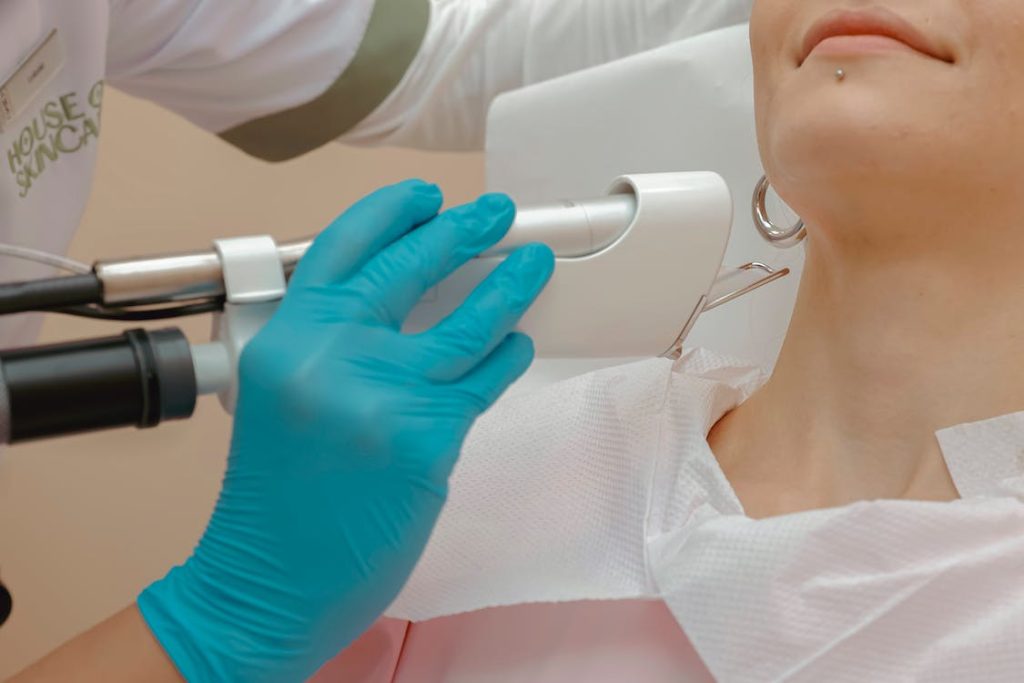
Non-surgical approaches for enhancing the condition of the skin, specifically skin tone, elasticity, and texture, include laser and radiofrequency treatments. Laser therapy and radiofrequency therapy are both non-invasive treatments used in various medical and cosmetic procedures.
Some big positives with these treatments are that most people state that these treatments are essentially painless, just causing a mild sensation of heat. Another big bonus is these treatments are rather quick, typically requiring less than an hour to complete.
Here’s a brief explanation of how each therapy works and their differences:
1. Laser Therapy: Tightens Skin, Collagen Production, etc.
Laser therapy involves the use of concentrated light energy to target specific tissues or areas of the body. The laser emits a focused beam of light that is absorbed by the targeted tissue, converting into heat energy. This heat energy can have different effects depending on the purpose of the treatment.
For example, in dermatology, lasers can be used to remove unwanted hair, treat skin conditions like acne or pigmentation, or stimulate collagen production for skin rejuvenation. In surgical procedures, lasers can be used to cut or vaporize tissues.
Pros and cons of laser therapy
Pros:
- Non-invasive
- Non-ablative lasers provide more gentle advantages
- There is very little downtime, typically less than a week.
- Certain advantages are noticeable right away.
- Removes aging, damaged skin cells to expose younger-looking skin
Cons:
- Is not intended for usage around, or under the eyes.
- Options may be constrained based on the amount of melanin in the skin and hair.
- Numerous sessions are needed to witness the benefits
2. Radio Frequency Therapy: Promotes Healthy Cell & Skin
Radio frequency (RF) therapy uses electromagnetic waves in the form of radio frequency energy to heat and stimulate tissues. RF is an electricity-based radio frequency technology that penetrates the skin’s outer layer and into the deeper dermal layer. It involves the use of an RF device that delivers a controlled amount of energy to the target area.
When this energy is applied to the tissue, it generates heat and stimulates collagen production. The skin’s resistance to the energy as it passes through it is what causes both the existing cells’ ability to tighten and the production of new collagen fibers
RF therapy is commonly used in aesthetic procedures, such as skin tightening, body contouring, and wrinkle reduction. It can also be utilized in medical treatments like pain management and tissue ablation.
Pros and cons of Radiofrequency
Pros:
- Non-invasive
- Visible outcomes after only one treatment
- Very little discomfort
- The time of treatment does not take too much time
- For patients with more melanin-rich skin, radio frequency is safe.
Cons:
- For dramatic outcomes, many sessions might be necessary.
- Ineffective for Rosacea
- Dealing with a novice provider may have negative effects.
Popular Areas to Improve with Non-Invasive Therapy
Laser and Radio Frequency (RF) therapy are popular non-invasive treatments used to tighten the skin. They can be beneficial in improving various areas of the body, including:
1. Face and Neck:
RF and laser therapies can help reduce wrinkles, fine lines, and sagging skin on the face and neck areas. They stimulate collagen production, resulting in tighter and smoother skin.
2. Arms:
These therapies can minimize loose skin and improve the overall appearance of the arms, especially in cases of weight loss or aging.
3. Abdomen and Waist:
Post-pregnancy or significant weight loss can lead to loose skin around the abdomen and waist. RF and laser therapies can address these concerns by toning and tightening the skin in those areas.
4. Thighs and Buttocks:
These treatment modalities can target cellulite, loose skin, and dimples on the thighs and buttocks region, resulting in a firmer and more toned appearance.
5. Jowls and Jawline:
RF and laser therapies can help lift and tighten sagging jowls, enhancing the definition of the jawline.
6. Chest:
These treatments can improve the texture, tightness, and elasticity of the skin in the décolletage and chest area, reducing the appearance of wrinkles and creepiness.
7. Eyebags or Undereye area:
RF therapy is best for this treatment
It is essential to consult with a qualified professional to determine if these therapies are suitable for your specific needs and to discuss the potential risks and benefits.
When Is Treatment Not Recommended?
When is laser therapy not an option?
- Tumors, advanced metastases, and malignancies.
- Thyroid region.
- Pregnancy should be avoided when there is direct lighting on the fetus and the waiting lower back. It is possible to treat many other body sections.
- Even if safety eyewear is worn, avoid directing the laser beam directly at the eyes.
- Laser therapy should not be used on patients who are taking immunosuppressive medications (such as immunosuppressants) or photo-sensitizing medications (such as steroids).
- If you are receiving corticosteroid injections, laser therapy should not be started until seven days have passed.
- Direct treatment on open wounds that are bleeding.
When should radio frequency methods not be used?
- AIDS patients, cancer patients, and people with uncontrolled high blood pressure.
- With pacemakers, during lactation and pregnancy, with Addison’s illness or kidney stones, in the gallbladder, or having uncontrolled high blood pressure, radio frequency is not an option.
- In autoimmune skin illnesses, neurological disorders, or other conditions that can be triggered by heat (such as the herpes virus).
- Abdominal procedures can be done a month after a cesarean section with your doctor’s approval.
- In other operations in general, it is advised to have the procedures done at least two months after operations.
- The use of radiofrequency techniques is not permitted if you have silicone implants or cosmetic injections.
The opinions expressed are for informational purposes. Consult with a medical professional to determine what is best for you.









+ There are no comments
Add yours