
As we age, does our sex drive increase or decrease? This is a good question that we will discuss in this article.
No matter the number of people in the room, if asked this question, most will have a different answer. Advancing in age does not guarantee that our sex drive will increase or decrease. There are many factors that make up the reason for this.
Let’s explore the several possible reasons for the increase and decrease in men’s and women’s sex drive. We will also discuss the lifestyle and psychological factors that also influence all of our sex drives.
What are the 8 reasons for the decrease in men’s sex drive?
Hormonal changes can indeed affect men’s sex drive as they age. Testosterone, the primary male sex hormone, plays a crucial role in libido. As men get older, their testosterone levels tend to gradually decline. This decline can lead to a decrease in sexual desire or a decline in overall sexual function.
Additionally, certain medical conditions can impact men’s sex drive. Some examples include:
1. Hypogonadism: This refers to a condition where the testes don’t produce enough testosterone. It can result from various causes, such as certain genetic disorders, testicular injury, or hormonal imbalances.
2. Erectile dysfunction: Also known as impotence, this condition affects a man’s ability to achieve or maintain an erection. It can have physical or psychological causes, such as diabetes, heart disease, stress, anxiety, or depression.
3. Chronic illnesses: Medical conditions like diabetes, obesity, high blood pressure, and hormonal disorders can affect sexual desire and function.
4. Medications: Certain medications may have side effects that affect libido or sexual function. Medications used to treat conditions like depression (e.g., selective serotonin reuptake inhibitors or SSRIs), high blood pressure (e.g., beta-blockers), or prostate conditions (e.g., finasteride) can have side effects that decrease sex drive or sexual function.
5. Stress and mental well-being: Psychological factors like stress, anxiety, and depression can influence sex drive.
6. Relationship status and satisfaction: Changes or challenges in a relationship can impact sexual desire.
7. Lifestyle choices: Factors like alcohol consumption, smoking, an unhealthy diet, and lack of exercise can affect sexual health.
8. Fatigue and sleep: Lack of quality sleep and excessive fatigue may contribute to a decrease in sexual desire.
Remember, these factors can vary from person to person, and some individuals may experience little to no change in their sex drive with age.
If someone is concerned about their sex drive or sexual function, it’s recommended to consider these factors and start to improve them on your own.
No need to fake it anymore. Exercise is the best way to combat most issues, especially sexual issues. Improving your overall health is another way and do not forget about kissing. Kissing is a great activity to help get you and your love in the mood.

WOMEN SEXUAL DESIRE
Now let’s discuss what are the seven factors that affect women’s sex drive during and after menopause?
Does lifestyle factors or psychological factors also influence the lack of increase in women’s sex drive with age?
During and after menopause, a hysterectomy or other major changes are all major factors that can affect women’s sex drive.
Here are seven common factors for a decrease in sexual desire for women:
1. Hormonal changes: Declining estrogen and testosterone levels can lead to decreased libido and vaginal dryness, affecting sex drive.
2. Physical health issues: Conditions like chronic pain, arthritis, vaginal atrophy, and other health concerns may impact sexual desire.
3. Psychological factors: Stress, anxiety, depression, body image issues, low self-esteem, and relationship problems can all contribute to a decrease in sex drive.
4. Medications: Certain medications, including those for blood pressure, depression, and hormonal treatments, might have side effects that reduce libido and that can cause dryness. Dryness leads to pain, which leads to a decrease in sexual desire.
5. Fatigue and lack of energy: Menopausal symptoms, such as hot flashes, insomnia, and night sweats, can disrupt sleep patterns and lead to fatigue, reducing sexual desire.
6. Relationship dynamics: Communication breakdown, unresolved conflicts, and lack of emotional intimacy can affect a woman’s sex drive.
7. Sociocultural influences: Cultural attitudes, societal expectations, and personal beliefs about aging and sexuality can impact a woman’s sexual desire.
Lifestyle factors, such as maintaining a healthy diet, regular exercise, managing stress levels, and practicing good sleep hygiene, can positively influence sex drive.
You have the power to improve your sexual desire. There is not much need to consult with a healthcare provider unless you are ready to reduce and get rid of the medications you may be already taking for another health issue that you have overcome.
Another reason to consult with a doctor is for psychological factors. Addressing any underlying psychological issues through therapy or counseling can also help improve libido.
Otherwise in my experience, seeking medical advice and not taking charge of your health leads you back to another pill for your ill.
Pills, serums, liquids, capsules, whatever it may be, unless in extreme cases are not the best first option. Always try to improve your happiness by having a positive outlook and a workout routine that you enjoy and consistently follow.
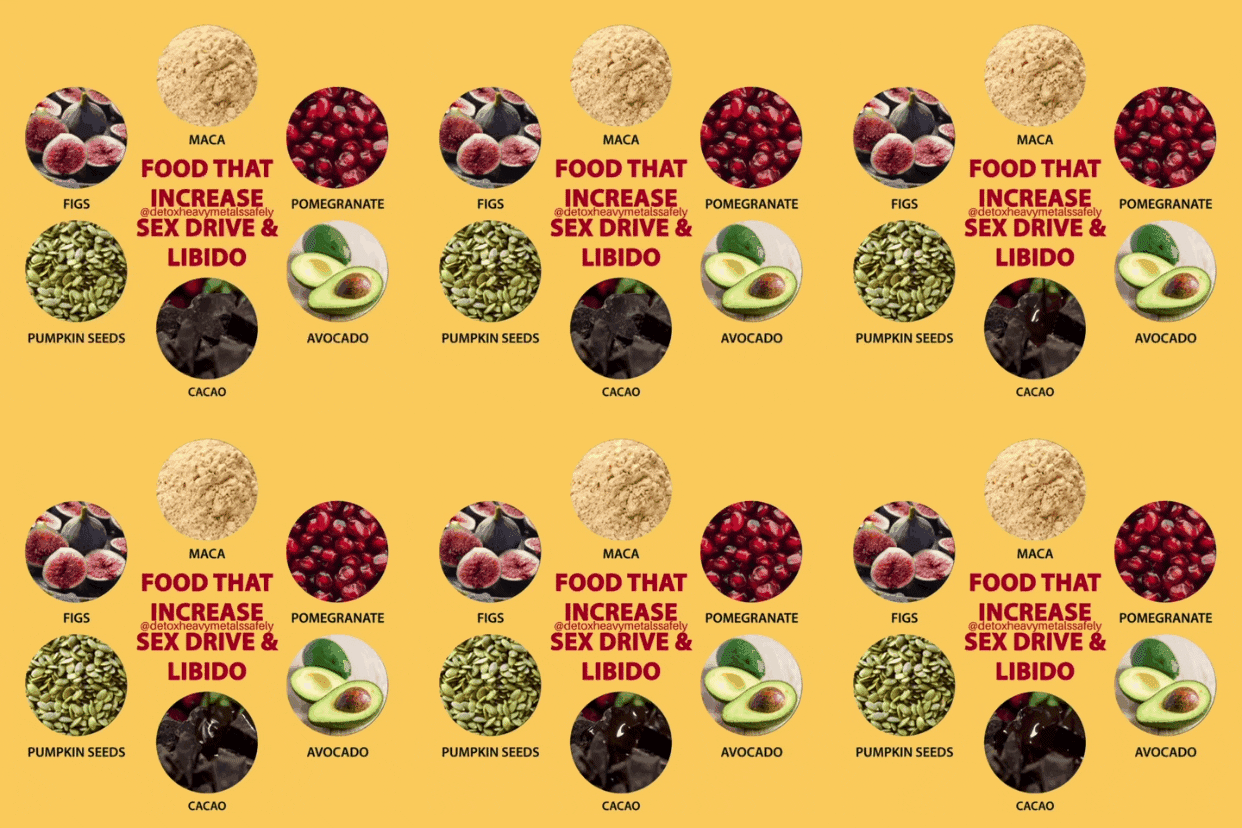
Another way to take charge of your health is by focusing on what you eat. There are foods available to help improve your libido. Incorporate them into your diet. You will be surprised what you can accomplish on your own, when you mind your own business.
STRONG SEXUAL DESIRE AMONG MEN IN 60s, 70s, etc.
Now that we explored reasons for a decrease in sexual desire, how about when the opposite is the issue?
I have come across several women in their 60s and 70s complaining that their husbands’ sexual appetites. They say it is still going strong. For most, stronger than they desire and they cannot understand why. Let’s explore the causes of a natural strong desire to have sex multiple times a week, every week for more than 25 years of marriage.
Here are the 7 possible reasons for the increase in men’s sex drive with age:
1. Hormonal Changes: As men age, testosterone levels often decrease, leading to an increase in certain hormones that can affect sexual desire.
2. Reduced Stress and Responsibilities: Some men may experience a decrease in work-related stress or family responsibilities as they age, allowing them to focus more on their sexual desires.
3. Increased Confidence: With age comes experience and a better understanding of oneself, which can lead to increased confidence and a stronger sex drive.
4. Improved Emotional Intimacy: Over time, men may develop deeper emotional connections with their partners, leading to increased emotional intimacy and a heightened desire for sexual activity.
5. Health Improvements: Addressing health concerns and adopting healthier lifestyles can positively impact sexual function and drive in older men.
6. Relationship Dynamics: Stable and long-term relationships can create a sense of security and comfort, providing an environment for an increased sex drive.
7. Reduced Performance Anxiety: With age, some men may feel less pressure to meet societal expectations and perform sexually, leading to a higher sex drive.
If you are a wife reading this, or a female in a 10+ year relationship, you are probably shaking your head and smiling. Many of these factors may resonate with you and your partner. The best way to not turn your spouse down, and turn you up, is by doing something spontaneous and changing the routine.
If he initiates normally, why don’t you try to initiate sex? This will be an instant turn-on for most.

The issue is not your spouse with the ‘natural’ high sex drive, the issue is why do you not enjoy it? If you are experiencing some underlying issues that are negatively affecting your sex drive, then turn the attention to you and begin to work on it.
Remember for most, all you need is exercise, rest, and a positive mindset. Also, try taking maca, eating pumpkin seeds, figs, etc plus using a toy and lubrication for any dryness issues will help. You must take care of yourself and know yourself so that you can show up in a positive way for your relationship.







+ There are no comments
Add yours